
Best Practices for Caring for Nevada’s Native Plants
Nevada’s native plants showcase nature’s resilience. Support their growth to enhance ecosystems, protect wildlife, and leave a lasting environmental legacy.
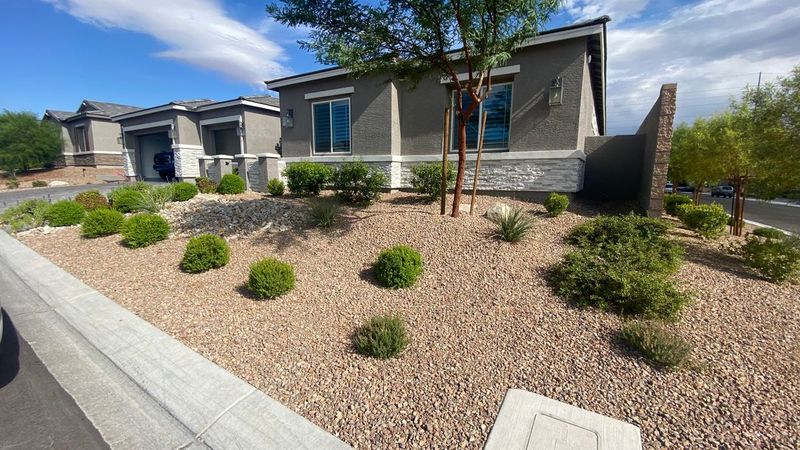
Arid deserts, rugged mountains, and delicate ecosystems define Nevada’s landscape. The state is home to a wide variety of native plant species, too, that can thrive in the region’s challenging climate. Although the plants require minimal water and will flourish in poor soil conditions, caring for Nevada’s native plants requires a thoughtful approach that supports their long-term survival. Utilize these best practices for caring for Nevada’s native plants and nurture the state’s biodiversity.
Native plants play a vital role in ecosystems; they provide food and shelter for local wildlife, maintain soil stability, and regulate water cycles. They are drought-tolerant and able to thrive in nutrient-poor soils.
By choosing native plants for landscaping or restoration projects, you can reduce water usage, minimize maintenance, and prevent the spread of invasive species that may outcompete local vegetation. Ultimately, promoting the health of native plants is an investment in preserving Nevada’s natural heritage and ecological balance.
Nevada’s diverse geography includes the Mojave Desert, the Great Basin, and mountain ranges, each with its own climate and soil characteristics. Therefore, choosing the right native plants requires you to know the specific conditions of your area.
Species like sagebrush and desert marigold are ideal for low-elevation, arid environments, while penstemons and greenleaf manzanitas thrive in higher elevations with cooler temperatures. Researching the native plants that naturally thrive in your region ensures a better chance of success and can help create a thriving garden or restoration zone.
Although many people believe that native plants can grow in any soil, it’s important to ensure that the soil mimics their natural habitat as closely as possible. Plants native to Nevada thrive in sandy, rocky, or well-drained soils with low nutrient content.
Before introducing any plants, assess the soil condition and, if needed, incorporate amendments such as sand or gravel to improve drainage. Avoid using commercial fertilizers, as excessive nutrients can harm the plants. Creating the right soil conditions from the beginning sets the stage for healthy roots and sustainable growth.
Timing is crucial. The best time to plant is typically in the fall, when the weather is cooler and plants can establish roots before the heat of summer.
Fall planting also aligns with the desert’s seasonal rainfall, providing natural hydration to support young plants. If fall planting isn’t feasible, early spring is another option; the soil remains moist from winter precipitation. Avoid planting during summer, as young plants are more likely to struggle under the intense heat and dry conditions.
Although Nevada’s native plants are drought-tolerant, proper watering is essential during their establishment period. After planting, provide deep irrigation to encourage roots to grow deeper into the soil. Gradually reduce watering over time as the plants adapt to their environment.
Established native plants typically require little to no supplemental watering, thriving solely on natural rainfall. Overwatering can harm their growth, as excess moisture may lead to root rot or attract pests. Monitoring rainfall patterns and adjusting irrigation schedules accordingly will help maintain a balance that supports plant health.
Weeds and pests pose a threat during the early stages of growth. Weeds compete for water and nutrients, potentially choking out native species. Pests, such as aphids or caterpillars, may damage tender leaves and stems.
Regularly monitor your garden or restoration site for invasive plants and remove them promptly. Hand-pulling weeds is often the most effective method for small-scale projects, as it minimizes soil disturbance. If pests become an issue, focus on natural solutions such as encouraging beneficial insects or using organic sprays to maintain the integrity of the ecosystem.
Applying mulch around native plants provides several benefits, including temperature regulation, moisture retention, and weed control. Mulch acts as a barrier; it protects the soil from extreme heat or cold and reduce evaporation during dry periods. Organic mulches, such as bark chips or straw, gradually decompose and enrich the soil.
When mulching native plants, ensure that the layer is not too thick, as excessive coverage can prevent water from reaching the roots or create a barrier against essential airflow. Proper mulching is a simple yet effective way to promote healthy plant growth and longevity.
Native plants in Nevada often require little to no pruning, but occasional trimming can benefit their health and appearance. Remove dead or damaged branches to minimize the risk of disease or pests.
For shrubs or trees, light pruning may help shape the plants and encourage better air circulation. It’s important to avoid over-pruning, as drastic cuts can stress native plants and disrupt their growth cycle. Conduct pruning during the dormant season, typically late winter or early spring, to minimize negative impacts and give plants time to recover.
Nevada’s native plants are an integral part of the local food web, supporting pollinators such as bees, butterflies, and birds. To further enhance this relationship, consider planting a variety of species with staggered bloom times to provide a continuous food source throughout the year.
Minimizing the use of pesticides and herbicides also ensures a safer environment for pollinators and other beneficial creatures. By fostering a garden or landscape that welcomes wildlife, you contribute to the overall health and resilience of the native ecosystem.
Regularly inspect your garden or landscape for signs of stress, such as wilting, yellowing leaves, or stunted growth. Address any issues promptly to prevent them from escalating.
Be mindful of changing environmental conditions, including prolonged droughts or extreme temperatures, which may require temporary adjustments to your care routine. A proactive approach to maintenance ensures that native plants remain vibrant and healthy for years to come.
Nevada’s native plants are a testament to the resilience and adaptability of nature. By following the best practices for native Nevada plants, you not only help these species thrive but also contribute to the sustainability of Nevada’s ecosystems. Whether you’re a gardener, a conservationist, or simply an admirer of the desert’s beauty, your efforts to support native plants leave a lasting legacy that benefits the environment, wildlife, and future generations.
If you find that tending to your native plants is too challenging, then it’s not something you have to figure out alone. At NV Landscapes, we provide expert Las Vegas landscaping services to ensure that your property looks great and thrives no matter the circumstances.
Ready to Transform Your Outdoor Space?
Get a free consultation and quote from Las Vegas's premier landscape experts with 23 years of experience.
Get Your Free Quote