
Pros and Cons of Removing Trees From Your Yard
Thinking about removing a couple of trees from your property? Discover the pros and cons of tree removal and what it could mean for your landscape.
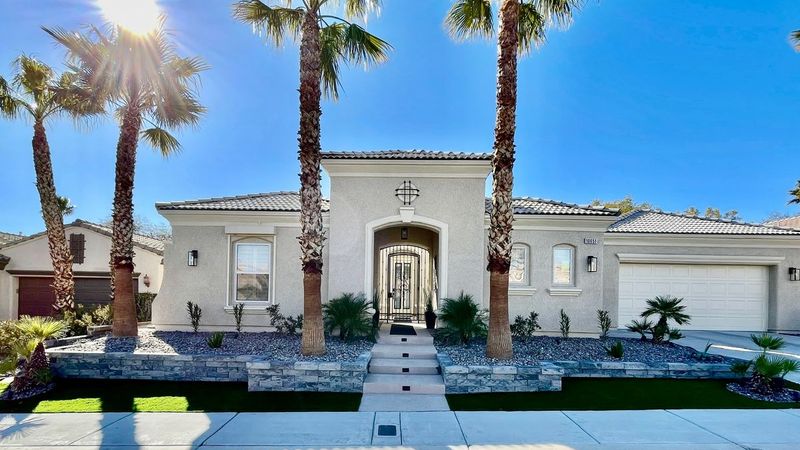
Trees are among the most valuable assets in any landscape, providing shade, beauty, and environmental benefits that can last for generations. Yet there are times when homeowners face the difficult decision of whether to remove a tree from their property. Whether due to safety concerns, landscape redesigns, or structural issues, the pros and cons of removing trees from your yard require careful consideration before making any permanent decisions.
Understanding both sides of this equation will help you make an informed choice that serves your property’s long-term interests. Tree removal is never a decision to take lightly, as it affects not only your immediate landscape but also your property value, local ecosystem, and future maintenance needs. Read on as we explore the various factors that should influence your decision-making process.
Safety concerns often drive the most compelling arguments for tree removal. Dead or diseased trees pose a huge risk to your family, guests, and property. A tree showing signs of structural failure, such as large dead branches, extensive trunk decay, or a compromised root system, can become a serious liability during storms or high winds.
Property damage prevention is another valid reason for removal. Trees planted too close to your home’s foundation can cause structural problems as their roots expand and seek moisture. Similarly, trees with branches overhanging your roof create opportunities for damage from falling limbs and can provide pathways for pests to access your home.
Landscape renovation projects sometimes necessitate tree removal to achieve your vision for your outdoor space. Perhaps you’re installing a pool, expanding your home, or creating a garden that requires more sunlight. In these cases, selective removal might be the only way to accomplish your goals while maintaining the overall health and beauty of your landscape.
Mature trees are powerhouse air purifiers, capable of absorbing enormous amounts of carbon dioxide while producing oxygen that benefits your entire neighborhood, which is why you should factor in environmental costs for removing them.
Wildlife habitat destruction is another serious consideration. Trees provide nesting sites, food sources, and shelter for countless species of birds, squirrels, insects, and other creatures. Removing a tree can disrupt local ecosystems and force wildlife to relocate, sometimes unsuccessfully.
The loss of natural cooling effects impacts both your property and the broader environment. Trees provide shade that can reduce your home’s cooling costs during summer months. They also contribute to local temperature regulation through transpiration, helping to combat the urban heat island effect that makes cities and suburbs warmer than surrounding rural areas.
Tree removal costs can vary dramatically depending on the size, location, and complexity of the job. Small trees might cost a few hundred dollars to remove, while large, established trees near structures can require thousands of dollars in professional services. Emergency removals after storm damage often carry even more premium pricing when demand for tree services peaks.
Mature trees typically add noteworthy value to residential properties, with some studies suggesting that well-maintained trees can increase property values by 10 to 15%. Removing these assets means losing both their current value contribution and their potential for future appreciation.
Diseased trees present complex decisions that require professional assessment. Some tree diseases are treatable with proper care, while others make removal the only safe option. Conditions such as Dutch elm disease, emerald ash borer infestation, or advanced root rot often leave homeowners with no choice but removal to prevent spread to healthy trees.
Maintenance burden reduction is sometimes cited as a reason for removal, particularly with species that drop excessive leaves, fruit, or branches. While this can reduce your yard work, weigh these inconveniences against the benefits that trees provide throughout their lifespans.
Allergenic concerns also affect some homeowners who suffer from pollen sensitivities. Certain tree species are notorious for producing large amounts of airborne pollen, and removal might be necessary for family members with severe allergies. However, consulting with allergists and exploring tree species alternatives can provide solutions that don’t require removal.
Professional tree care services can often address problems that seem to require removal. Crown reduction, selective pruning, and disease treatment can extend a tree’s life while mitigating safety concerns. Consider professional services from certified arborists, as they possess the expertise to evaluate whether your tree’s issues are treatable or whether removal is truly necessary.
Root barriers and management techniques can also resolve foundation and utility line conflicts without removing entire trees. This option allows you to keep valuable trees while protecting your property’s infrastructure.
Additionally, strategic pruning and maintenance programs can eliminate many common tree problems before they become serious enough to warrant removal. Regular professional care helps identify and address issues early, often preventing the need for more drastic measures.
Consulting with certified arborists or landscapers provides the professional insight necessary for informed decision-making. These experts can assess tree health, identify potential problems, and recommend treatment options that homeowners might not know exist. Their evaluations can save you money by identifying alternatives to removal or confirming when removal is truly the best option.
Remember that local regulations and permit requirements often govern tree removal, particularly for large or protected species. Understanding these requirements before making plans helps avoid legal complications and potential fines.
Consider the timing of your decision as well. Non-emergency tree removal is best scheduled during dormant seasons when the environmental impact is minimized and costs are often lower.
Are you looking for reliable and professional landscape maintenance in Las Vegas? Look no further than NV Landscapes! Our experienced team specializes in everything from routine lawn care and tree removal to complete landscape transformations. Whether you need regular maintenance or want to bring your dream outdoor space to life, we’re here to deliver exceptional results. Give us a call today!
The pros and cons of removing trees from your yard ultimately depend on your specific situation, priorities, and long-term goals for your property. While safety concerns and necessary improvements sometimes make removal unavoidable, exploring alternatives and consulting with professionals ensures you’re making the best possible decision.
Remember that tree removal is permanent, while many tree problems have solutions that preserve these valuable landscape assets. Taking time to fully evaluate your options, gather professional opinions, and consider long-term implications will serve you well in getting that dream yard to come to life.
Ready to Transform Your Outdoor Space?
Get a free consultation and quote from Las Vegas's premier landscape experts with 23 years of experience.
Get Your Free Quote