
The Complete Guide to Paver Installation Tips
Thinking about installing new pavers? A few hidden mistakes can ruin the look in a flash! Explore the features and the process before you commit.
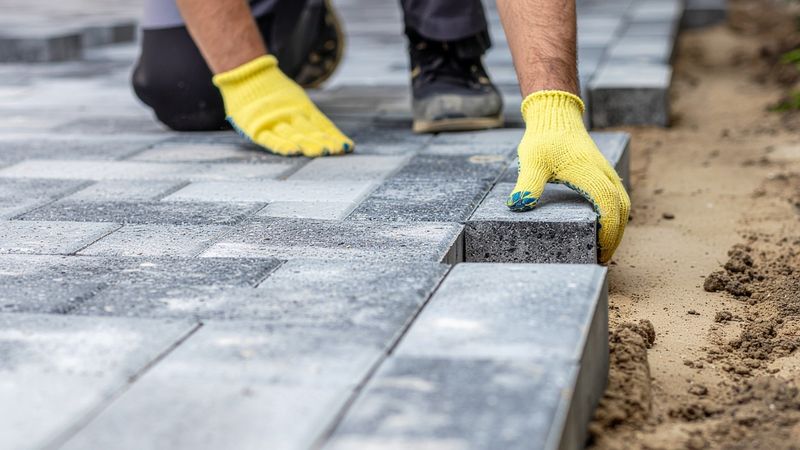
If you’ve been thinking about upgrading your yard with pavers, you’re probably imagining a clean patio or a driveway that instantly boosts curb appeal. Read this complete guide to paver installation tips so you can avoid the common mistakes that lead to wobbly surfaces or gaps that show up way too soon.
With a few simple pointers and a clear plan, you’ll know what to expect, what questions to ask, and when it makes sense to bring in a pro to get the finish you want.
Pick Pavers That Match Your Space
Start by thinking about how you’ll actually use the area day to day. A patio built for relaxing can prioritize comfort and style, while a driveway needs pavers that can handle vehicle weight without shifting. Concrete pavers are homeowners' favorite because they’re durable and available in a wide range of colors and textures.
A Pattern That Looks Great And Stays Practical
Patterns aren’t just about appearance; they also affect how smooth the install goes. Simple patterns often look clean and timeless, and they usually mean fewer tricky cuts around the edges. More detailed designs can be beautiful, but they take extra time and can reveal mistakes more quickly if lines drift. Pick a pattern that fits your space to keep the final look polished and balanced.
Know Where Water Will Go
Drainage is one of those things you don’t notice when it’s done right, but you absolutely notice when it isn’t. Even a gorgeous paver patio can become frustrating if it holds water after rain. Planning for a gentle slope helps water move away from your home and prevents puddles.
Getting The Area Ready
A paver project looks simple on the surface, but the real success comes from what’s underneath. Homeowners don’t need to memorize technical measurements, but it helps to understand that prep work is what keeps the finished area looking smooth and feeling solid. When the ground is rough or uneven, you may notice dips, shifting, or joints that have separated later on.
Clear And Level The Space
The installation area needs to be cleared of grass, roots, and loose soil so the ground below is stable. If the area isn’t properly leveled at this stage, the finished surface can look uneven, and furniture may wobble, or rocks may shift underfoot later.
Plan For A Gentle Slope
A paver surface should look flat when you stand back, but it usually needs a slight slope to guide water away. Without it, puddles can form in low spots, leading to messy joints, algae buildup, or water near your foundation. The best time to handle the slope is before pavers go down, because adjusting it later is much harder and can mean redoing sections.
Make Sure The Ground Feels Firm
Soft ground underneath can cause settling over time, especially after rain, freeze-thaw cycles, or heavy foot traffic. Even if everything looks great on install day, unstable soil can lead to low spots or shifting pavers later. Ensuring the subgrade is firm gives the entire project a stronger “base feel.” It’s also one reason professional prep work tends to pay off in the long term.
Building A Strong Base Without Overthinking It
Homeowners don’t have to get lost in the details of base materials, but it’s helpful to know why this step matters. The base is basically the “support system” for your pavers. When it’s done correctly, the pavers stay level, joints stay tighter, and the whole surface feels sturdy underfoot. When it’s done poorly, the pavers can shift, and the project can start looking worn out far too quickly.
Use A Base That Compacts Well
A paver base should be made from crushed material that locks together when compacted, creating a firm layer that resists movement. This is a big reason pavers can feel solid underfoot instead of spongy or uneven. If the base material doesn’t compact well, pavers may settle in patches, and joints can open up.
Build In Layers For A More Solid Feel
Instead of dumping base material all at once, it’s typically installed in layers and compacted as it goes. That process helps prevent hidden soft spots from turning into dips later. Layering also makes it easier to maintain a consistent grade, so the surface looks smooth from one end to the other.
Keep The Surface Smooth
Before pavers are placed, the base should be smooth and evenly graded to keep the layout clean. Small bumps or low spots underneath can later appear as uneven pavers or awkward edges. This is where experienced crews stand out because they know how to get the surface ready. A well-prepped base makes the paver setting step faster and cleaner.
Laying Pavers So They Look Clean
This is the step most homeowners picture first, but it’s also where good planning pays off. The goal is a surface that looks straight, feels even, and has consistent spacing. If the layout drifts or the joints vary a lot, the whole area can look “off,” even if you can’t immediately explain why.
Keeping Your Pavers Looking Good
Once your pavers are installed, maintenance is usually pretty simple. The main goals are keeping the surface clean, watching the joints, and addressing small issues before they grow. Most homeowners can handle basic upkeep without much effort, especially if the installation was done properly from the start.
Basic Cleaning Goes A Long Way
A quick rinse and occasional light scrub can keep pavers looking fresh, especially in shaded areas where grime can build up. If you spill food, grease, or fertilizer, cleaning it sooner prevents staining that’s harder to remove later. You don’t need aggressive tools for routine upkeep, just consistency.
Check Joints Once In A While
Over time, joint sand can settle or wash out in spots, especially after heavy rain or frequent cleaning. If you notice gaps between pavers, it’s worth refilling before the pavers start to feel loose or uneven. Staying ahead of joint issues also helps reduce weeds and keeps the pattern looking crisp. This is a quick maintenance habit that can extend the life of your paver surface.
Wrapping It Up
Pavers can be one of the best upgrades you can make to your outdoor space, especially if you want a clean, durable surface that looks great year after year. Keep this complete guide to paver installation in mind before you commit to the upgrade! When you’re ready, having a trusted crew handle the work can make the whole upgrade feel easy.
In need of reliable landscaping companies in Las Vegas? NV Landscapes is here to assist. If you’re thinking about adding pavers for a patio, walkway, or driveway, we can help you plan it the right way and handle the installation details that keep everything level, tight, and built to last. You’ll get a clean, finished look that fits your home and looks exactly as you pictured it.
Ready to Transform Your Outdoor Space?
Get a free consultation and quote from Las Vegas's premier landscape experts with 23 years of experience.
Get Your Free Quote